Compare the three common process families
MMA / stick (SMAW)
A flux-coated, consumable electrode makes the arc and supplies filler metal.
Check before buying: Confirm the electrode classification and diameter, compatible current and polarity, machine input supply, leads and holder.
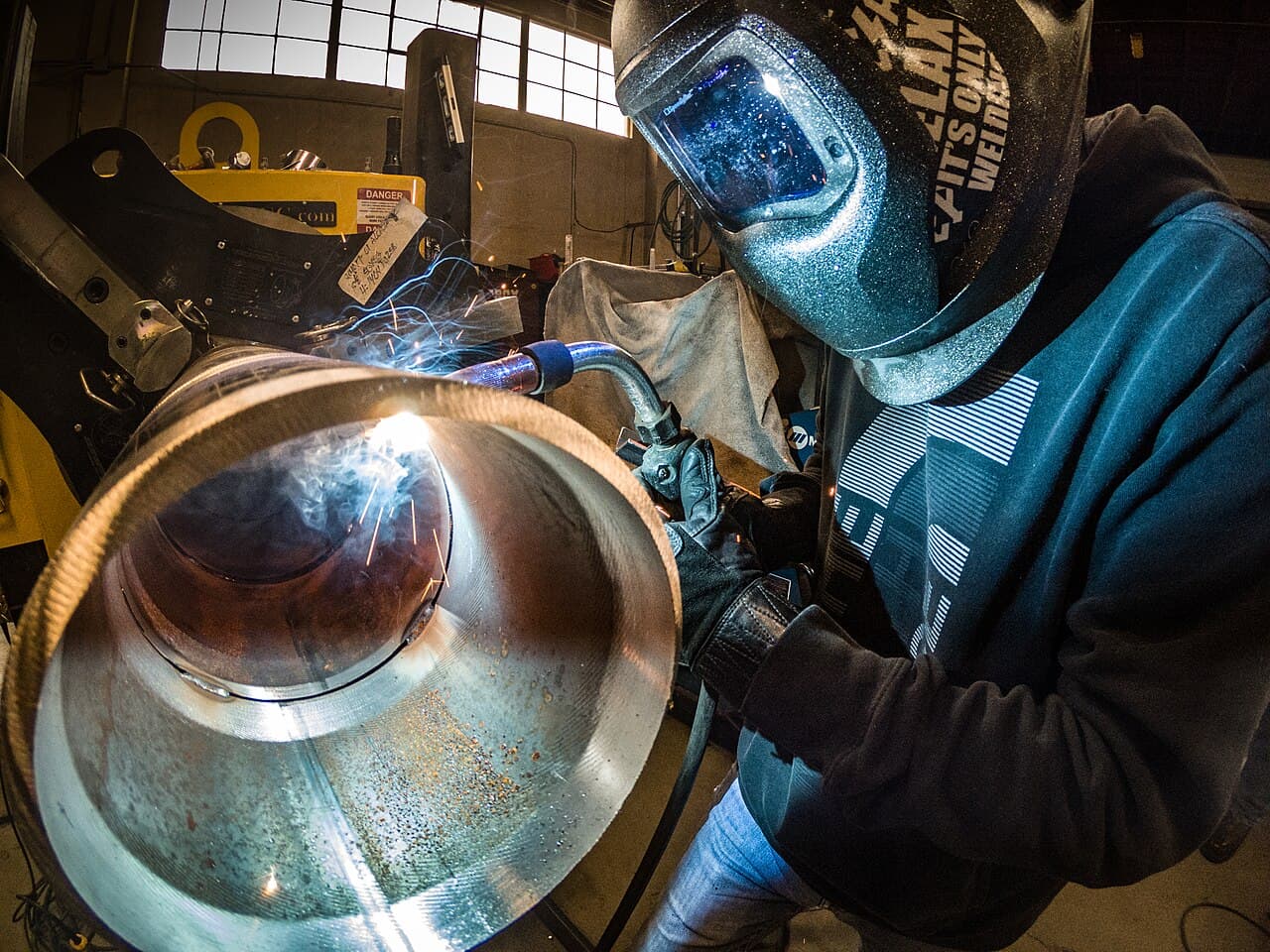
MIG / MAG (GMAW)
A continuously fed wire is the electrode and filler. The setup may use shielding gas or a suitable flux-cored wire.
Check before buying: Check wire type and diameter, feed system, torch and contact parts, gas arrangement where required, and the material being joined.
TIG (GTAW)
A non-consumable tungsten electrode sustains the arc; filler metal can be added separately when the joint needs it.
Check before buying: Match the torch, tungsten, shielding gas and filler to the base material, joint and finish required.
These are broad descriptions, not a recommendation for a specific machine. Manufacturer instructions and the consumable datasheet determine compatible settings and use. The OSHA welding fact sheet describes GMAW as using a consumable wire electrode and an external gas shield, and GTAW as using a non-consumable tungsten electrode with an external inert gas shield.
What to compare before selecting a machine
Base material and thickness. Identify the material and any coating, then note the thickness range and joint type. Filler metal, electrode classification and process need to suit the material and intended service.
Position and access. State whether the work is on a bench, in a fixed installation or at a site, and whether joints are flat, vertical, overhead or difficult to reach. This helps establish whether portability, torch reach or process control matters.
Power and duty. Share the available input supply and phase, expected operating pattern and any site limitations. Ask for the manufacturer’s input, output and duty-cycle information for the exact model; do not choose from an advertised maximum current alone.
Consumables and support. Check local availability of compatible electrodes, wire, filler, gas, contact tips, nozzles, tungsten and replacement parts. The machine and the running supplies should be considered together.
Prepare a useful equipment enquiry
For an enquiry, send the material, thickness range, typical joint or workpiece, preferred process if known, available electricity supply, work location and expected use. Include the quantity and delivery destination, and list the accessories and consumables you need with the machine.
Browse the welding machine category, compare electrodes and welding consumables, and check the options for torches and accessories. Current models, specifications, availability and prices are confirmed in a quotation.
For arc protection, fumes, fire control and other workplace risks, assess the actual work area and applicable local requirements. OSHA’s welding, cutting and brazing safety guidance summarizes hazards including fumes, UV radiation, burns and electrical shock. It is general safety information, not a substitute for Kenyan requirements or a site-specific risk assessment.
Need work carried out as well as equipment? See welding repair and metal fabrication, or send the requirements through the KariVex contact page.