Include these details in the first request
- 1
Drawing or sample
Attach a dimensioned sketch, CAD drawing or clear photos with a scale reference. Mark important interfaces and identify which dimensions are critical.
- 2
Material
State the material and grade if known, thickness or section size, and any coating or prior condition. If you are unsure, say so rather than guessing a grade.
- 3
Quantity and repeatability
Give the number of pieces, whether they are identical, and whether this is a one-off or a repeat order. Quantities can affect the cutting and assembly approach.
- 4
Finish and environment
Describe the required finish, colour or corrosion protection, and where the item will be used. Note exposure to weather, moisture, heat, chemicals or abrasion if relevant.
- 5
Use and responsibility
Explain what the part supports or connects to and provide the design or acceptance requirements. Identify who supplies the approved design for load-bearing or safety-critical work.
- 6
Delivery and installation
Give the site location, access constraints, required delivery or fitting, preferred timing and a contact person for technical questions.
What to show on a drawing
Show overall length, width and height, hole or slot locations, section sizes, bends, interfaces and the view that clarifies the shape. Add units and mark any tolerance that must be controlled. If the part fits existing equipment, include the mating dimensions and photographs of the installation.
Separate required dimensions from reference dimensions. If a design standard, inspection plan, test report or other document is required, identify it in the request so the scope can be discussed before the price is prepared.
For structural components or parts that carry people, pressure or significant loads, provide the approved design basis and acceptance criteria. A fabricator’s quotation should not silently replace the responsible engineer’s design.
Clarify what the quotation covers
Ask whether the price includes material, cutting, forming, welding, grinding, finishing, inspection, delivery and installation. Confirm any assumptions, exclusions, lead time and how changes to the drawing will be handled. For several parts, request a breakdown by item and quantity.
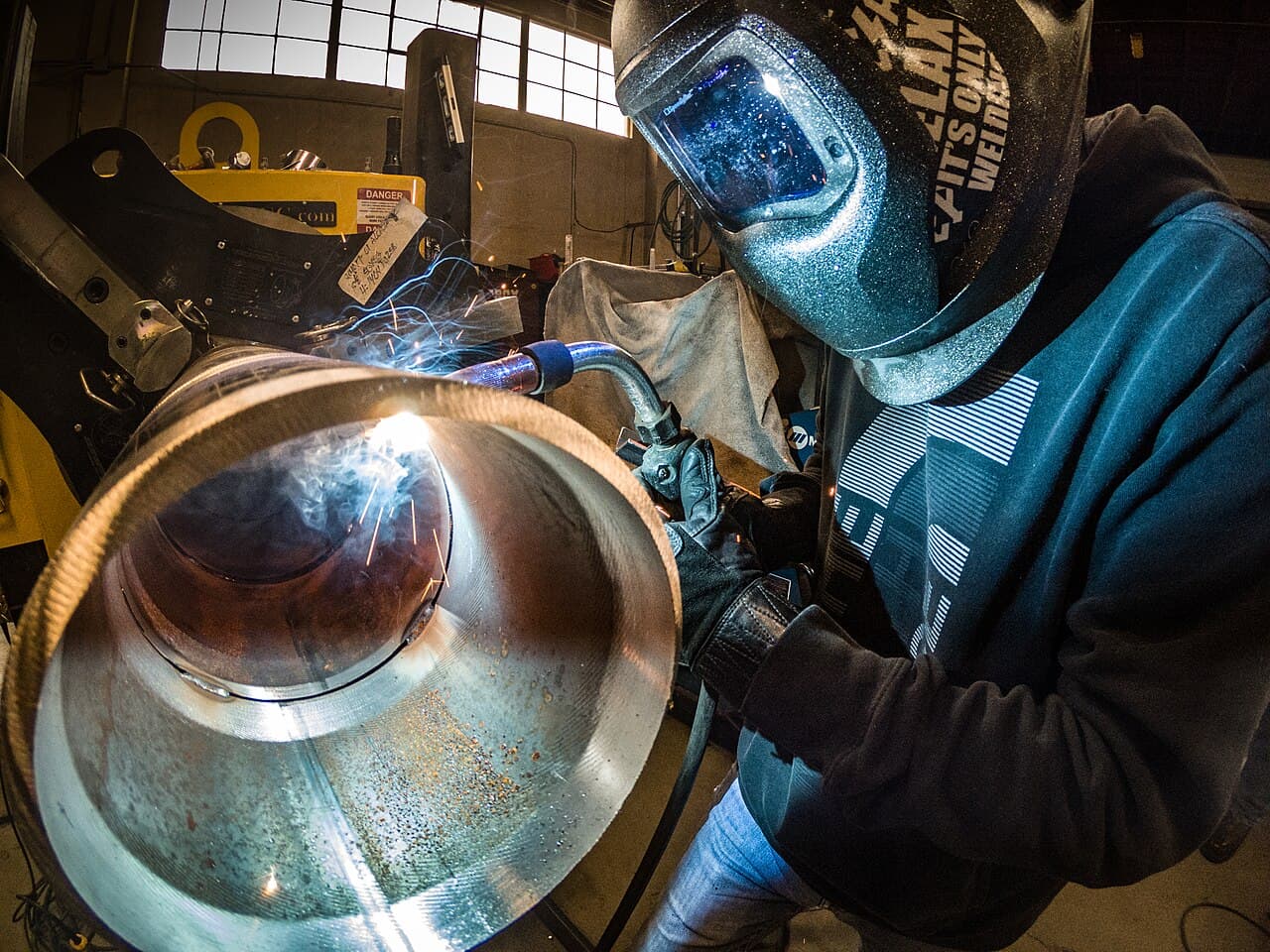
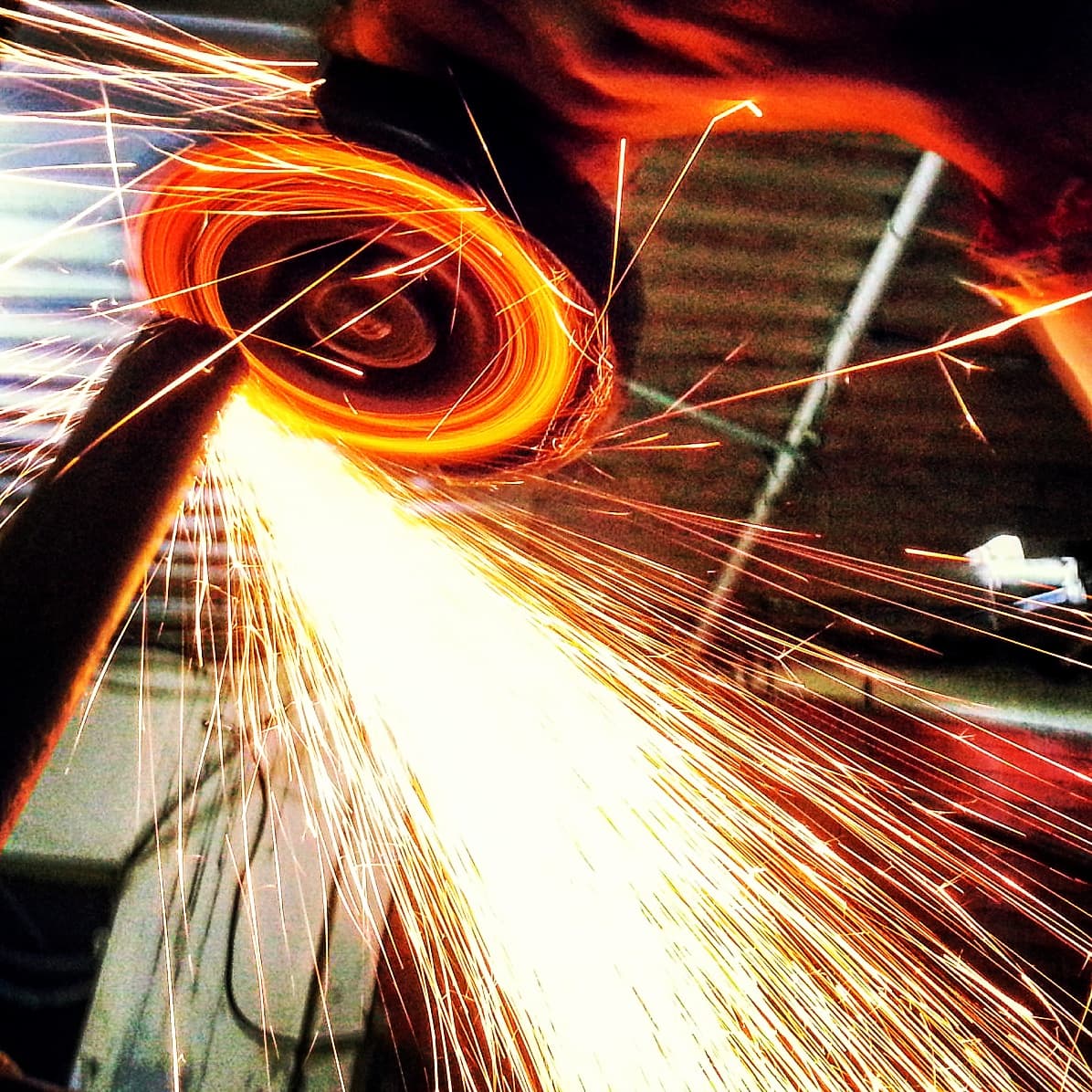
Share the work environment and site conditions. Welding and grinding can create fume, fire and eye hazards; the work plan needs to account for the actual location and materials. See the OSHA overview of welding and hot-work hazards for general background, and follow the applicable Kenyan safety requirements for the project.
Send the brief, drawings and photos through the custom metal fabrication and welding service page. For supplies to complete work in your own workshop, browse welding equipment and consumables.