Pizza oven terms
- Refractory
- Describes materials made to withstand very high temperatures without breaking down, such as fire bricks, refractory cement and castable.
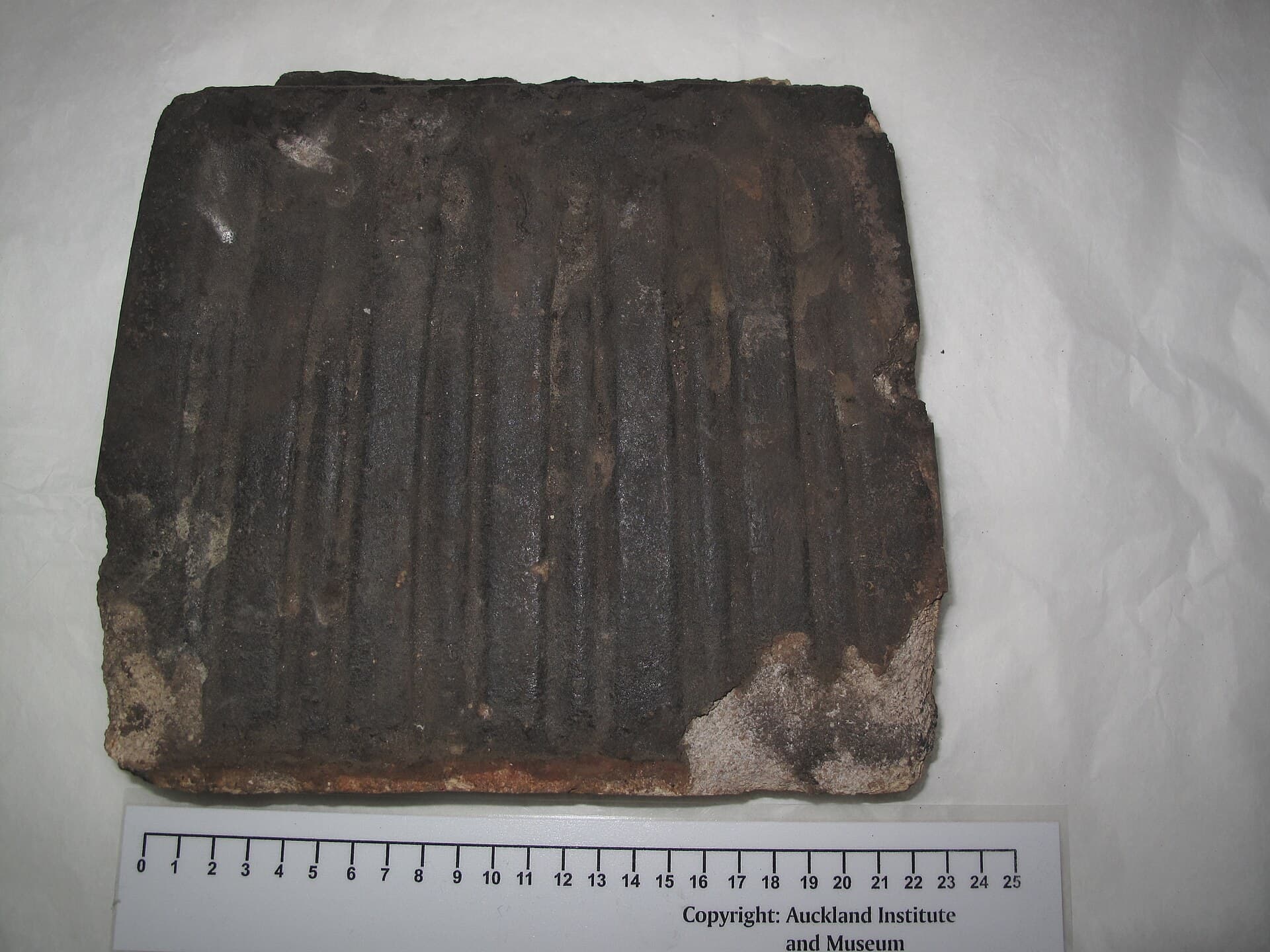
- Fire brick
- A brick made from refractory clay for the hot parts of ovens, kilns and fireplaces. Dense fire bricks store heat; insulating fire bricks keep it in. Choosing fire bricks
- Refractory mortar
- Heat-resistant mortar used for the thin joints between fire bricks in the hot parts of an oven. Refractory mortar
- Refractory cement
- Heat-resistant cement for building and patching ovens, fireplaces and flues; often called fireproof cement. Refractory cement
- Castable
- A dry refractory concrete mix that is mixed with water and cast or trowelled into shape, for example to form a dome or floor slab. Refractory castable
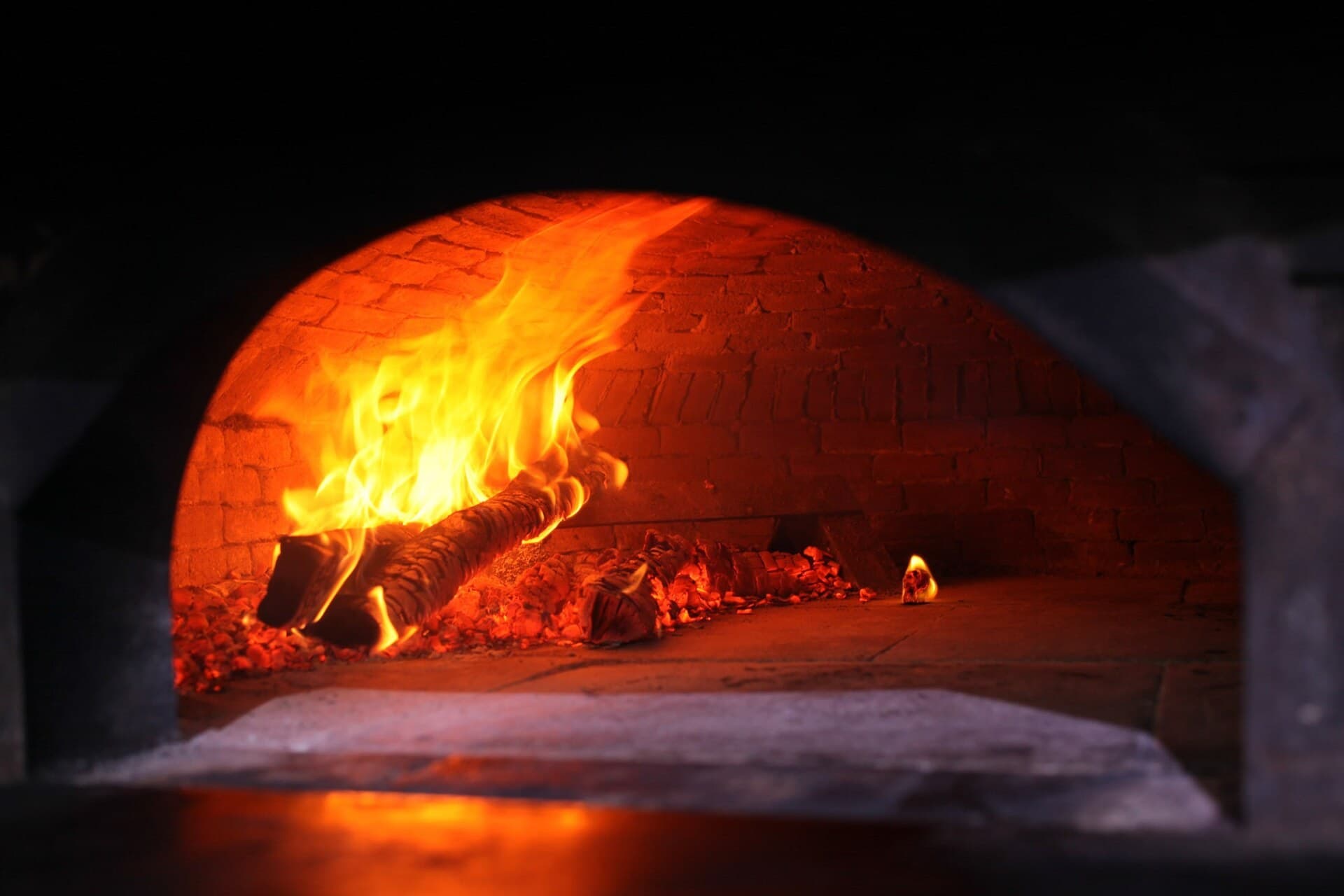
- Hearth
- The floor of the oven, including the cooking surface and the insulating layer beneath it. Hearth materials
- Dome
- The curved roof of the oven chamber. It absorbs heat from the fire and radiates it back onto the pizza.
- Thermal mass
- The ability of heavy materials such as dense fire brick to store heat and release it slowly.
- Ceramic fibre blanket
- A light, flexible high-temperature insulation wrapped over an oven dome. Ceramic fibre blanket
- Vermiculite / perlite
- Lightweight expanded minerals mixed with cement to make insulating concrete under an oven floor. Vermiculite
- Curing
- Drying a new or repaired oven with a series of gradually larger fires so trapped water escapes without cracking it. Pizza oven guide
- Thermal shock
- Cracking caused by a sudden temperature change, for example water on a hot floor. Oven care
- Door rope (gasket)
- Ceramic fibre rope fitted round an oven door to seal in heat. Door seal rope
- Flue
- The chimney or vent that carries smoke and combustion gases out of the oven.
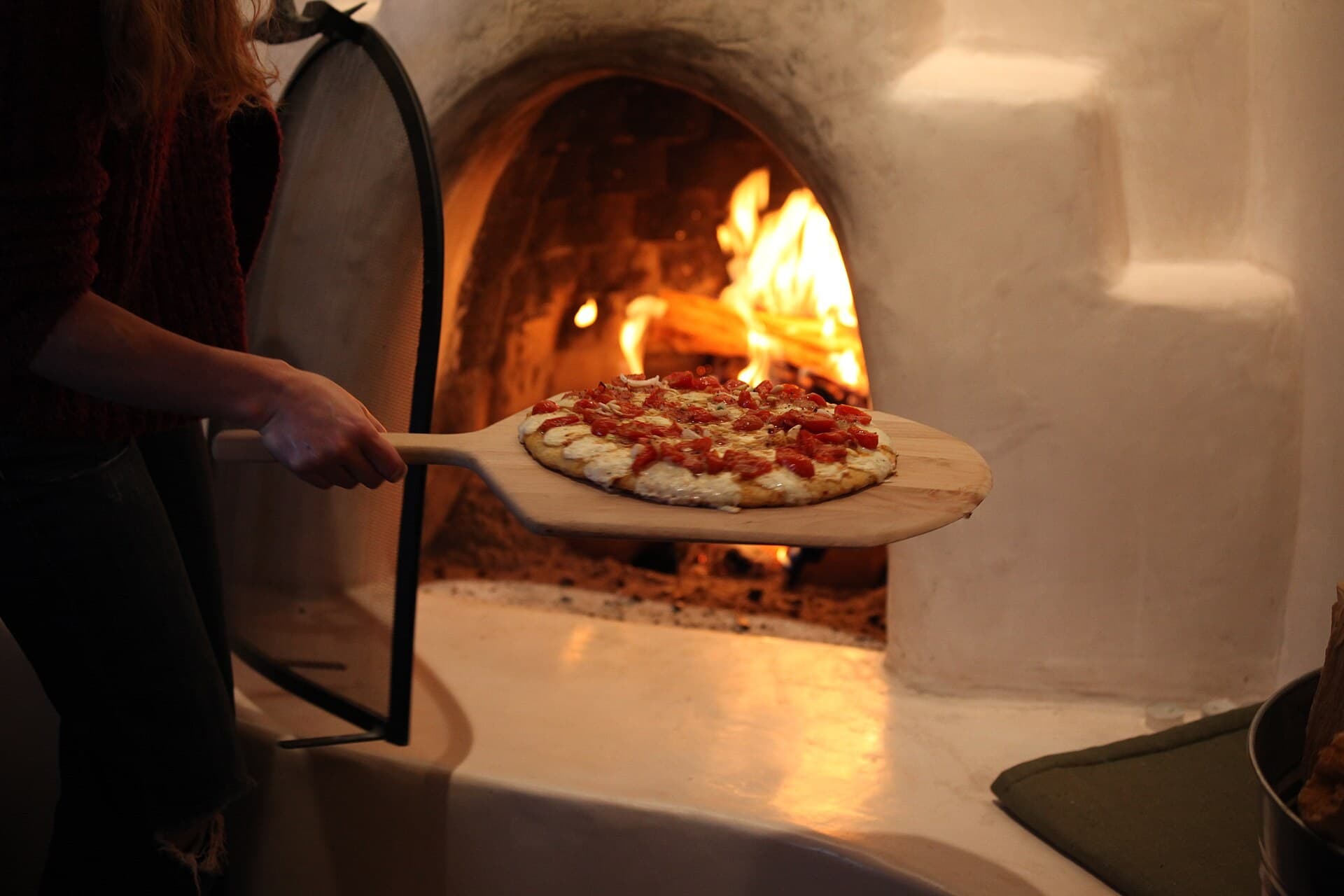
- Peel
- The long-handled paddle used to slide pizzas into and out of the oven.
Roof cyclone terms
- Roof cyclone
- A wind-driven turbine ventilator on the roof that draws hot, stale and humid air out of a building. Also called a whirlybird or turbine vent. Our roof cyclones
- Throat
- The round neck of a cyclone that sits over the roof opening. Cyclones are sized by throat diameter, for example 600 mm.
- Vanes
- The curved blades of the cyclone head that catch the wind and make it spin.
- Bearing
- The part the head spins on. Worn or dry bearings cause squeaking, wobbling or a stuck head. Cyclone repair
- Base / flashing
- The adaptor that joins the cyclone to the roof sheet, shaped to the roof profile and sealed against rain.
- Stack effect
- The natural rise of warm air, which pushes air out of high openings such as cyclones even when the wind is still.
- Air change
- Replacing the full volume of air in a space once with fresh air. Ventilation needs are often described in air changes per hour.
- Intake (make-up) air
- Fresh air entering through vents, louvres, windows or doors to replace the air the cyclones extract.
- Condensation
- Water forming when warm, humid air meets a cooler surface, such as the underside of a metal roof at night. Hot metal roofs
- Stainless steel
- A corrosion-resistant steel alloy; the material of the cyclones we stock.