Side by side
| Roof cyclone | Electric extractor fan | |
|---|---|---|
| Power | None — driven by wind and rising warm air | Mains electricity |
| Running cost | Nothing to run | Electricity for every hour it runs |
| During power cuts | Keeps working | Stops unless on backup power |
| Airflow | Varies with the wind; lower on still days | Steady and controllable, wind or no wind |
| Noise | Usually near-silent when bearings are good | Motor and fan noise |
| Maintenance | Occasional bearing service; base seal checks | Motor, wiring and controls as well as the fan |
| Best for | Continuous background removal of heat and humidity | High, predictable extraction (e.g. fumes, kitchens, processes) |
Where roof cyclones shine
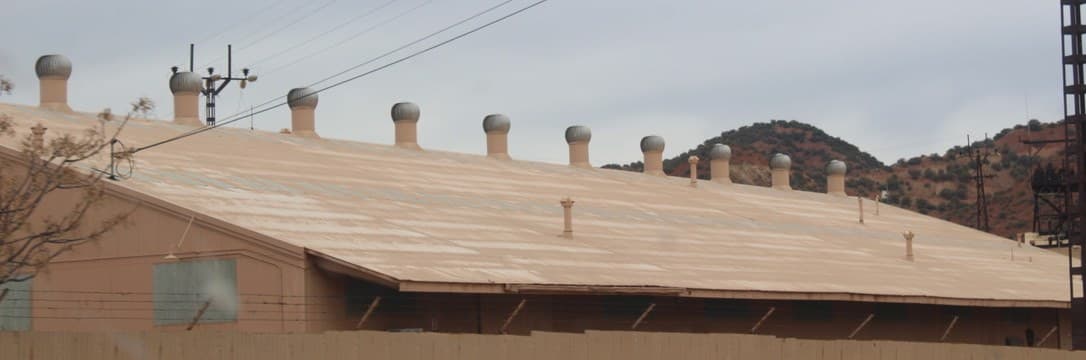
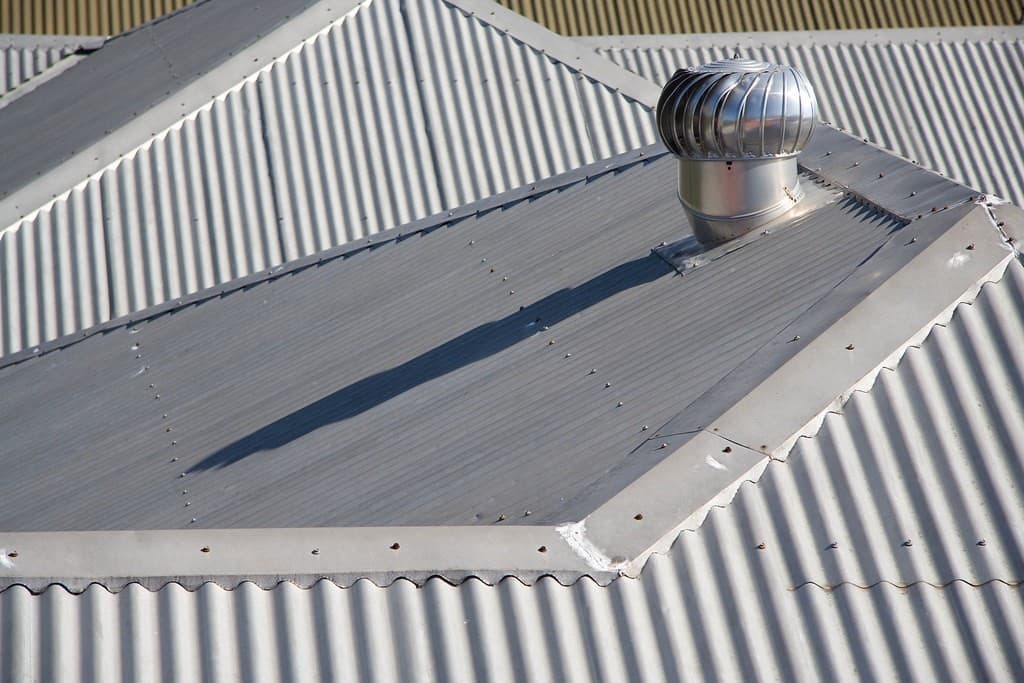
Cyclones need no wiring and have no running cost, keep working through power cuts, and are almost silent. A turbine typically starts spinning in a light breeze, and even when it is still, warm air rising through the opening keeps some air moving. Comparisons such as this overview of which roof ventilation system to choose make the same point: passive turbines suit buildings that want more airflow than a static vent without wiring.
When you need powered fans
Because cyclones depend on the weather, their airflow varies. Where extraction must be high and predictable — for example over cooking lines, around fumes or dust from a process, or in a fully enclosed space with no other air movement — powered fans give guaranteed airflow. A common approach is cyclones for continuous background ventilation, with fans where demand peaks.
Do not forget intake air
Whatever you use to extract air, fresh air must get in to replace it — through eaves vents, wall louvres, windows or open doors. Extraction without intake air moves very little.
Our roof cyclones
We stock 600 mm stainless steel roof cyclones, install them and repair worn or leaking ones. Send us your building size and use and we will recommend a number and layout.
Cyclones vs fans questions
Can roof cyclones replace electric extractor fans?
For general removal of heat and humidity from roofs and large spaces, often yes. Where extraction must be high and constant regardless of wind, such as fumes or cooking lines, powered fans are still needed.
Do roof cyclones work during a power cut?
Yes. They need no electricity, so they keep ventilating when the power is off.
Can cyclones and fans be used together?
Yes. A common approach is cyclones for continuous background ventilation and powered fans where demand peaks.