
Roof Cyclones
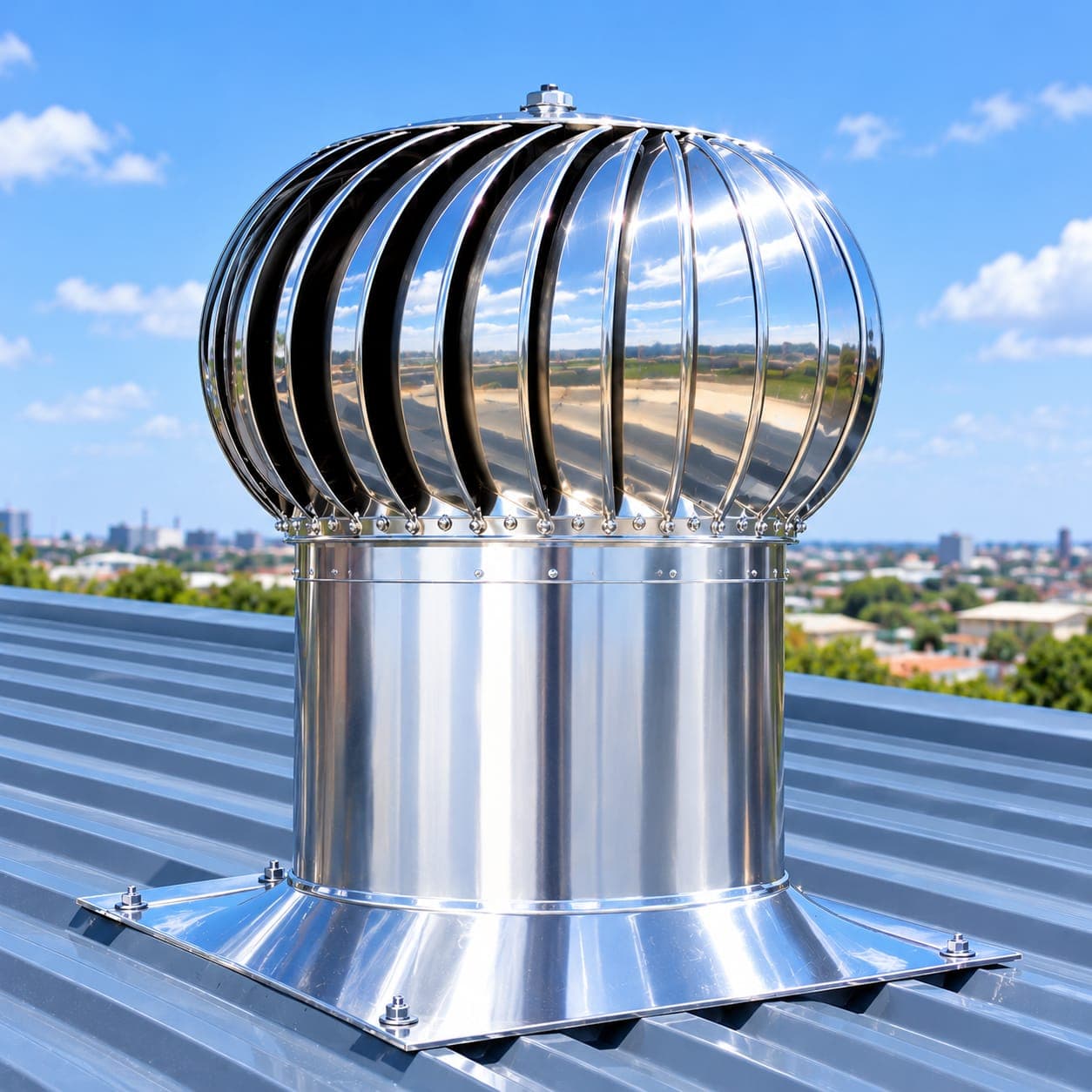
600 mm Stainless Steel Roof Cyclones
600 mm stainless steel turbine ventilators that pull hot, stale air out of roofs without electricity. Supply and installation.
Availability on enquiry
A division of KariVex Solutions Ltd
Oven project
Metal roofs trap heat. Roof cyclones use the wind, helped by rising warm air, to pull hot and humid air out of the building through the roof. The number of cyclones needed depends on the building's size and use, so share your roof details for a quotation.
Roof Cyclones
600 mm stainless steel turbine ventilators that pull hot, stale air out of roofs without electricity. Supply and installation.
A turbine mounted above a ceiling may ventilate the roof void without directly exhausting the rooms below. An open warehouse can have a different air path. Identify the target space, its dimensions, average height and use, with a drawing or photos showing ceilings, partitions and fresh-air openings.
Roof insulation reduces heat transfer; ventilation moves air through an available path. Discuss both in relation to the building rather than assuming one automatically replaces the other. Wind-driven extraction also varies with site and weather.
Confirm the proposed unit diameter, material, quantity, placement and airflow information. Include the base, flashing, fixing, sealing, access and transport scope. For an existing installation, list faults by unit so repairs and replacements can be compared with the cost of adding new ventilators.
Supply, fitting and repairs, with a project brief you can share.
General manufacturer information; its model performance figures are not KariVex specifications.
References explain general material or design principles. Request the datasheet and instructions for the actual quoted product; the referenced brands' ratings and warranties do not describe KariVex stock.