Side by side
| Wood-fired | Gas-fired | |
|---|---|---|
| Heat-up time | Longer — often 45 minutes to an hour or more for a masonry oven | Shorter — commonly 15–25 minutes |
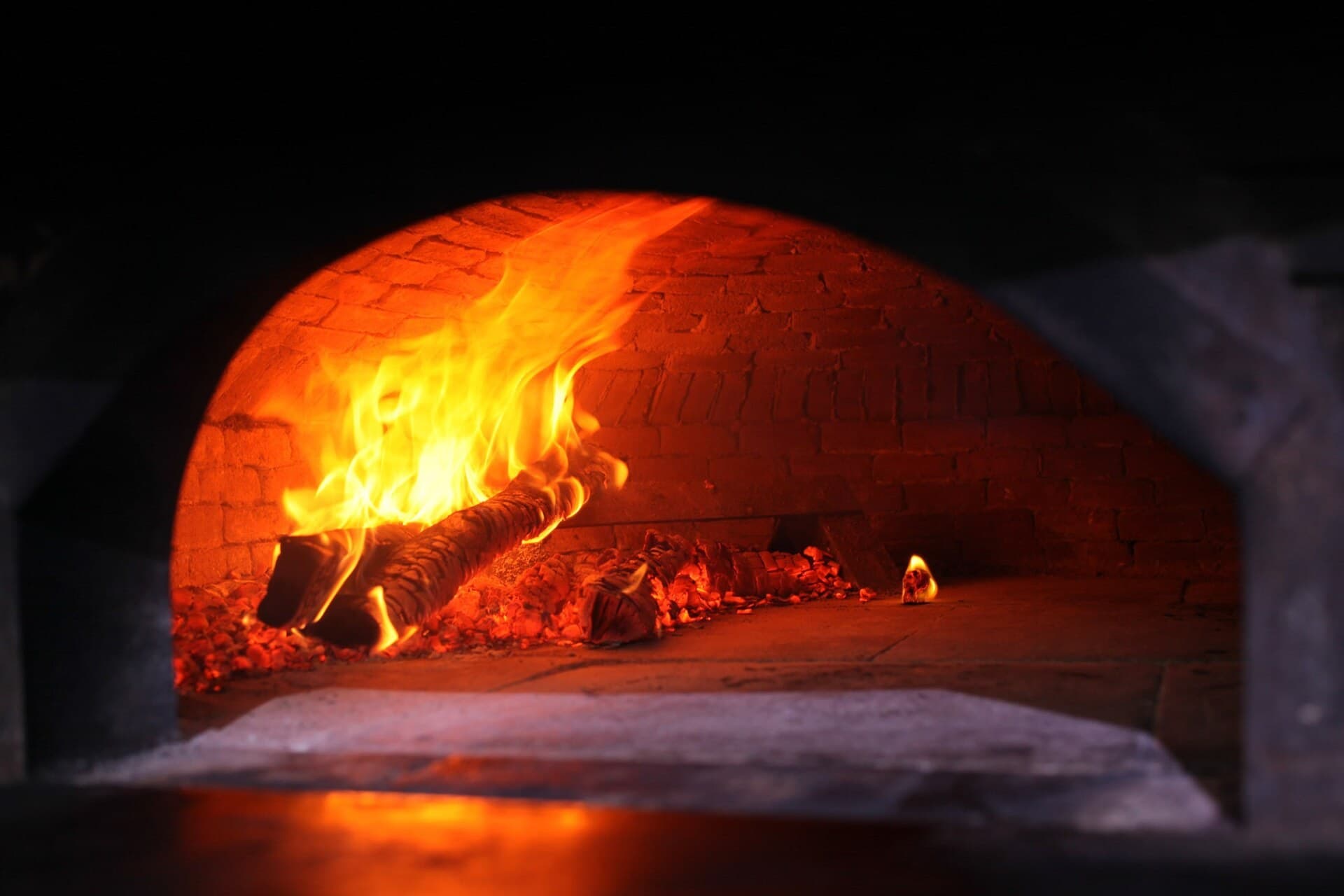
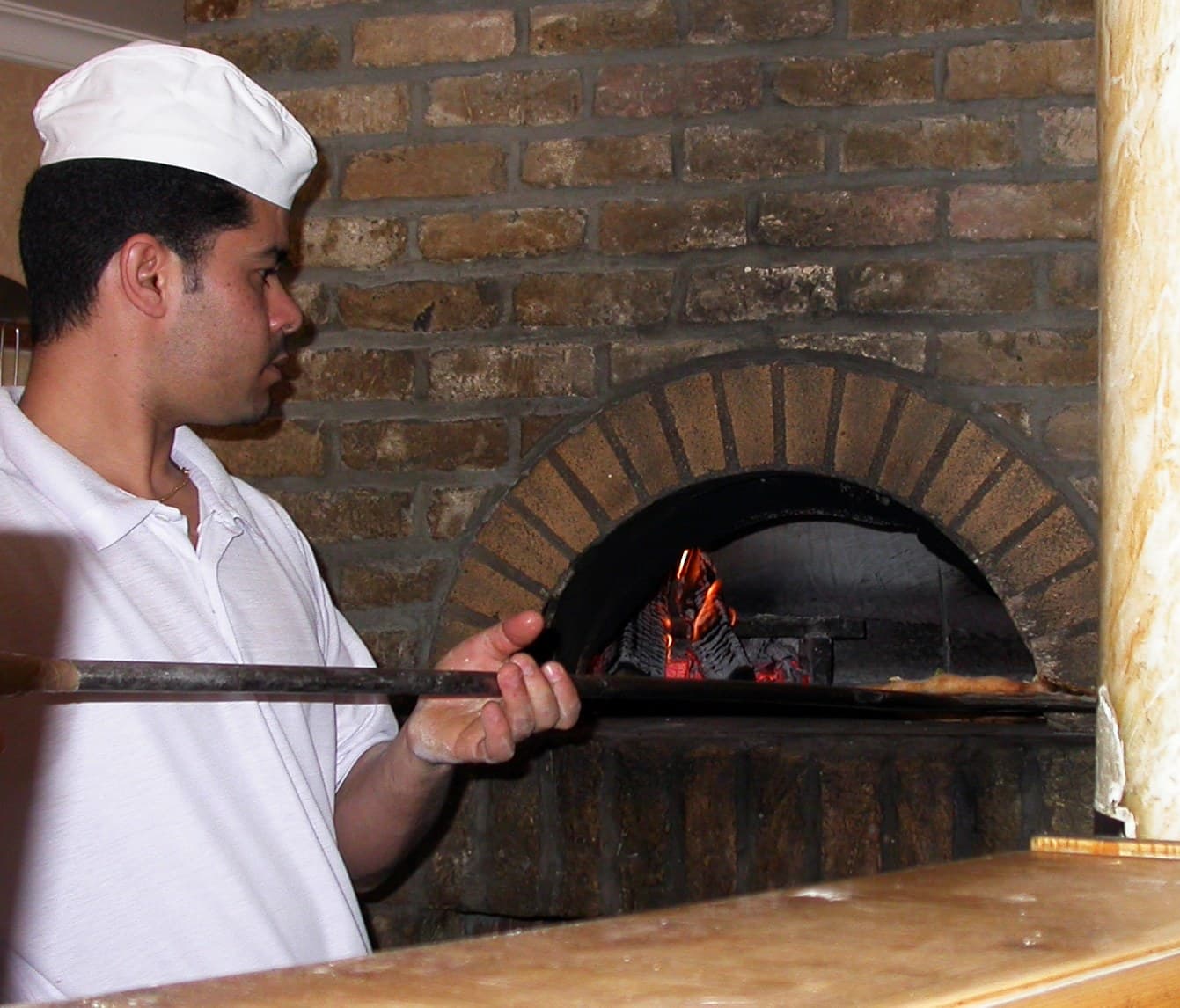
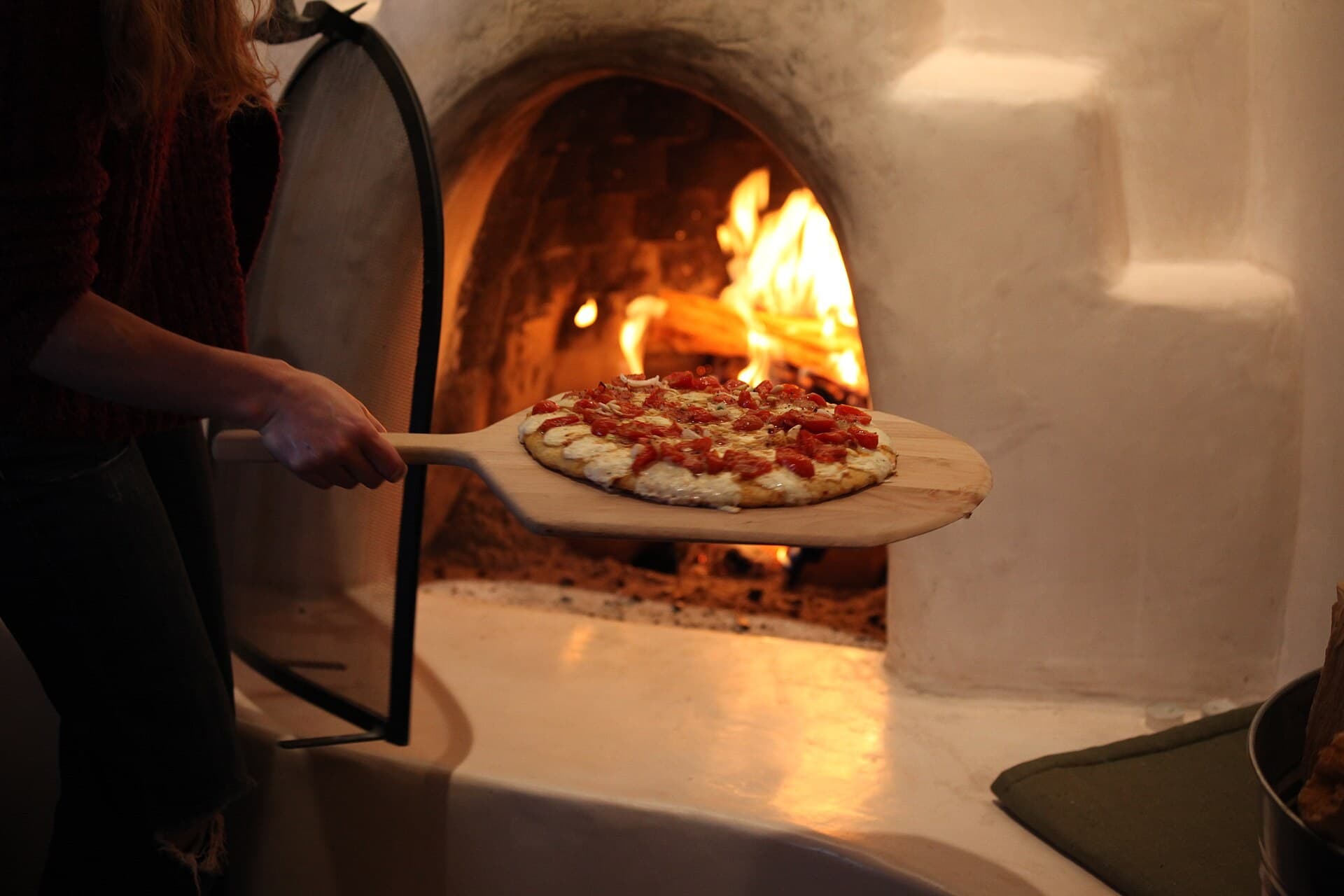
| Flavour | Subtle wood smoke and the classic charred, blistered crust | Clean flavour; excellent crust when hot enough |
| Temperature control | Managed by the fire; needs attention to keep steady | Steady and adjustable at a knob |
| Cleaning | Ash to remove after use | No ash |
| Fuel | Dry, seasoned hardwood — needs storage space | LPG or natural gas supply and safe installation |
| Best suited to | Traditional pizzerias, restaurants that sell the theatre of fire, enthusiasts | High-volume kitchens wanting speed and consistency |
Figures are typical ranges from published comparisons such as this guide to gas, wood and dual-fuel pizza ovens and this gas vs wood comparison; large masonry ovens can take longer.
Does wood really taste better?
Wood adds a light smokiness and many people love the look and ritual of a live fire. But a pizza spends only a minute or two in a very hot oven, so the flavour difference is smaller than many expect. Crust quality depends mostly on getting the floor and dome hot enough — which is a matter of good refractory mass and insulation for either fuel.
What it means for the build
Both types use a dense fire brick or castable floor and dome, an insulated hearth and dome, and a sealed door. A wood oven needs room for the fire, an ash-friendly floor and a good flue. A gas oven needs a correctly specified burner and gas installation by a qualified gas technician.
Which should you choose?
- Busy kitchen, consistent output, little time to manage a fire: gas is usually easier.
- Traditional Neapolitan-style pizza and the appeal of a live fire: wood.
- Unreliable gas supply or a ready source of dry hardwood: wood.
- Not sure? Tell us how you will use the oven and we will talk it through.
Wood vs gas questions
Is a gas pizza oven cheaper to run than wood?
It depends on local fuel prices and how much you bake. Compare the cost of gas against good dry hardwood for your expected daily use.
Do wood and gas ovens use different bricks?
No. Both use dense fire brick or castable for the floor and dome, with insulation underneath and outside. The difference is in the fire chamber, burner and flue.
Can you build both types?
Tell us the fuel you prefer when you request an oven build and we will discuss the design with you. Gas installation itself must be done by a qualified gas technician.